


The Blue and the Gray
The Blue and the Gray is a television miniseries that first aired on CBS in three installments on November 14, November 16, and November 17, 1982. Set during the American Civil War, the series starred John Hammond, Stacy Keach, Lloyd Bridges, and Gregory Peck as President Abraham Lincoln. It was executive produced by Larry White and Lou Reda, in association with Columbia Pictures Television, then owned by The Coca-Cola Company.
Series Details
First Aired
1982-11-14
TMDb Rating
6.8
Seasons
1
Episodes
3
Cast
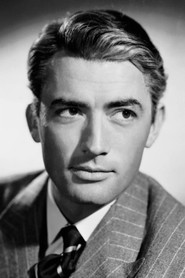
Gregory Peck
Abraham Lincoln
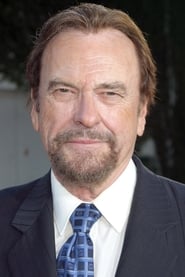
Rip Torn
Ulysses S. Grant
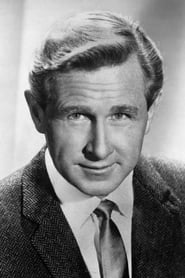
Lloyd Bridges
Ben Geyser

Robert Vaughn
Senator Reynolds
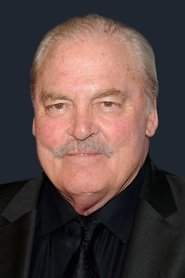
Stacy Keach
Jonas Steele
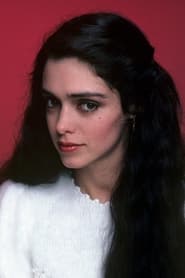
Kathleen Beller
Kathy Reynolds
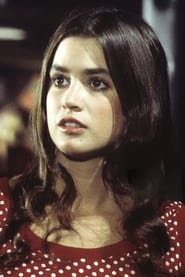
Penny Peyser
Emma Gayser

Julia Duffy
Mary Hale
You May Also Like
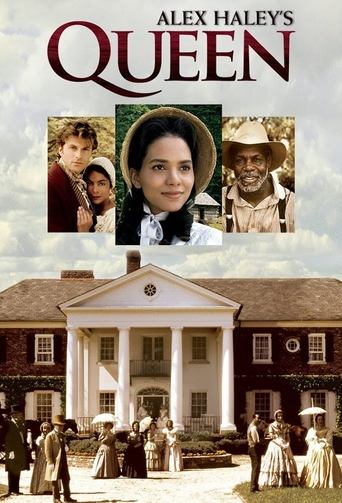
Alex Haley's Queen
Queen is the story about Easter, the illegitimate daughter of James Jackson, III and her lifelong affair with plantation owner Tim Daly, which would result in the birth of Queen. Queen's story revolves around her early years as a slave who yearns to know who her father is, and her condition as a fair skin mixed race woman who spends her life trying to figure out where exactly she fits in.
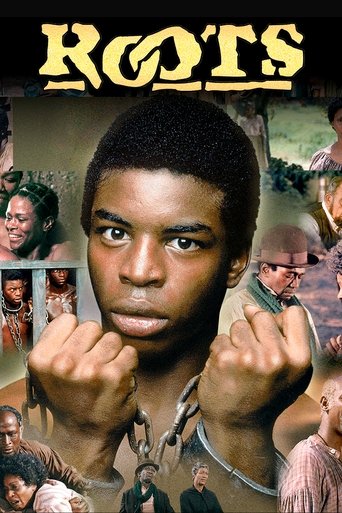
Roots
The epic tale of celebrated Pulitzer-prize winning author Alex Haley's ancestors as portrayed in the acclaimed twelve hour mini-series Roots, was first told in his 1976 bestseller Roots: The Saga of an American Family. The docu-drama covers a period of history that begins in mid-1700s Gambia, West Africa and concludes during post-Civil War United States, over 100 years later. This 1977 miniseries eventually won 9 Emmy awards, a Golden Globe award, and a Peabody award, and still stands as the most watched miniseries in U.S. history.

Lady Chatterley
After a crippling injury leaves her husband impotent, Lady Chatterly is torn between her love for her husband and her physical desires. With her husband's consent, she seeks out other means of fulfilling her needs.
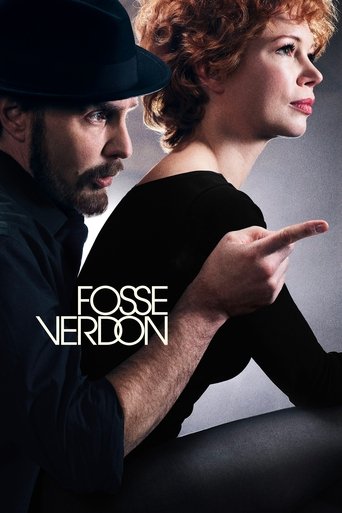
Fosse/Verdon
The story of the romantic and creative partnership between Bob Fosse and Gwen Verdon. He was a filmmaker and one of theater's most influential choreographers and directors; she was the greatest Broadway dancer of all time. Together, they changed the face of American entertainment — at a perilous cost.